Iodine: content limited to what we believe we need to know about iodine in our daily life, based on our experience and readings.
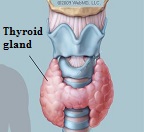
What is the purpose of eating an adequate level of iodine?
Iodine is a mineral that your body needs to make thyroid hormones. Babies and young children need iodine for normal growth and for brain development.
Iodine is a critical nutrient for good health at all stages of life.
Your body needs thyroid hormones to make protein and for your metabolism.
access the Health Direct website (April 2025) (article last accessed 27 June 2026)
Iodine is a critical nutrient for good health at all stages of life.
Your body needs thyroid hormones to make protein and for your metabolism.
access the Health Direct website (April 2025) (article last accessed 27 June 2026)
Where is iodine found?
Foods high in iodine are:
seafood — fish and prawns
eggs
seaweed and seaweed products
packaged bread
dairy foods — milk, yoghurt and cheese
access the Health Direct website (April 2025) (article last accessed 27 June 2026)
Iodine is also added to many types of salt. You can check on the label. Iodised salt is now used in bread making. The packaging will tell you how much iodine the bread contains.
access the Health Direct website (April 2025) (article last accessed 27 June 2026)
Iodine is also added to many types of salt. You can check on the label. Iodised salt is now used in bread making. The packaging will tell you how much iodine the bread contains.
What is a reasonable daily intake of iodine?
How much iodine you need depends on your age.
Most adults need 150 micrograms of iodine a day. You need more iodine if you are pregnant or breastfeeding.
Most adults need 150 micrograms of iodine a day. You need more iodine if you are pregnant or breastfeeding.
| Stage of life | Recommended daily intake for iodine (micrograms per day) |
| 0-6 months | 90 |
| 7-12 months | 110 |
| 1-8 years | 90 |
| 9-13 | 120 |
| 14-18 | 150 |
| Adults | 150 |
| During pregnancy women | 220 |
| While breastfeeding | 270 |
- Too little iodine can cause hypothyroidism (underactive thyroid). Symptoms of hypothyroidism are:
tiredness, constipation (difficulty pooing), weight gain, depression.
Goitre (a lump in your neck due to an enlarged thyroid gland) is less common. - Too much iodine can cause the same symptoms as iodine deficiency, such as: goitre, hypothyroidism, higher levels of thyroid stimulating hormone.
Too much iodine can also cause: hyperthyroidism, thyroiditis (when your thyroid is inflamed), thyroid cancer.
In our experience...
Based on a diet where nearly no processed food is eaten, our iodine comes from the following sources:
iodised rock salt and iodised table salt found in supermarkets and tinned salmon, eggs, yoghurt, and fresh seafood such as sardines, salmon, squid usually grilled or panned.
- How much iodine is too much for me?
- Given the above symptoms for too little iodine, I now rely on my body to let me know.
- In the past, I have had such symptoms and saw my GP. The thyroid was working in low gear!
- It turned out that I had NO thyroid issue but because I had digestive issues and basically did not eat, I was lacking protein.
On the blood test, my protein levels were too low and my body thought I was in famine and did not think the control box (the thyroid) needed to work as hard. Hence the low gear. As soon as I started eating the appropriate amount of protein and got my energy back and resolved some of the digestive issues, the thyroid returned to its normal self. So in doubt, and with symptoms, see your GP to get your thyroid function tested.
- How much iodine is ** not ** too much for me?
- As far as I know I do not have thyroid disorders. My father did have thyroid cancer like many of the French people who were exposed to the explosion of the nuclear power plant in Chernobyl in 1986 and beyond.
access the Chernobyl page on Wikipedia (article last accessed 12 June 2026)
- So in the future I will need to rely on noticing changes to my body and on targeted blood tests to verify issues if any.
- In summary,
- What works for me:
I can't be bothered calculating my intake of iodine so I have to pay attention to changes in my body. - What will work for you:
Iodine is extremely important so find out what works for you with the support of your medical team.
Ensure you take care of your thyroid as it acts as your control box.